-
 play_arrow
OTR Radio Discover What's Next
-
 play_arrow
Beat Breakdown Mia Johnson

The Independent Artist Has Never Had More Power — So Why Is It Still So Damn Hard?
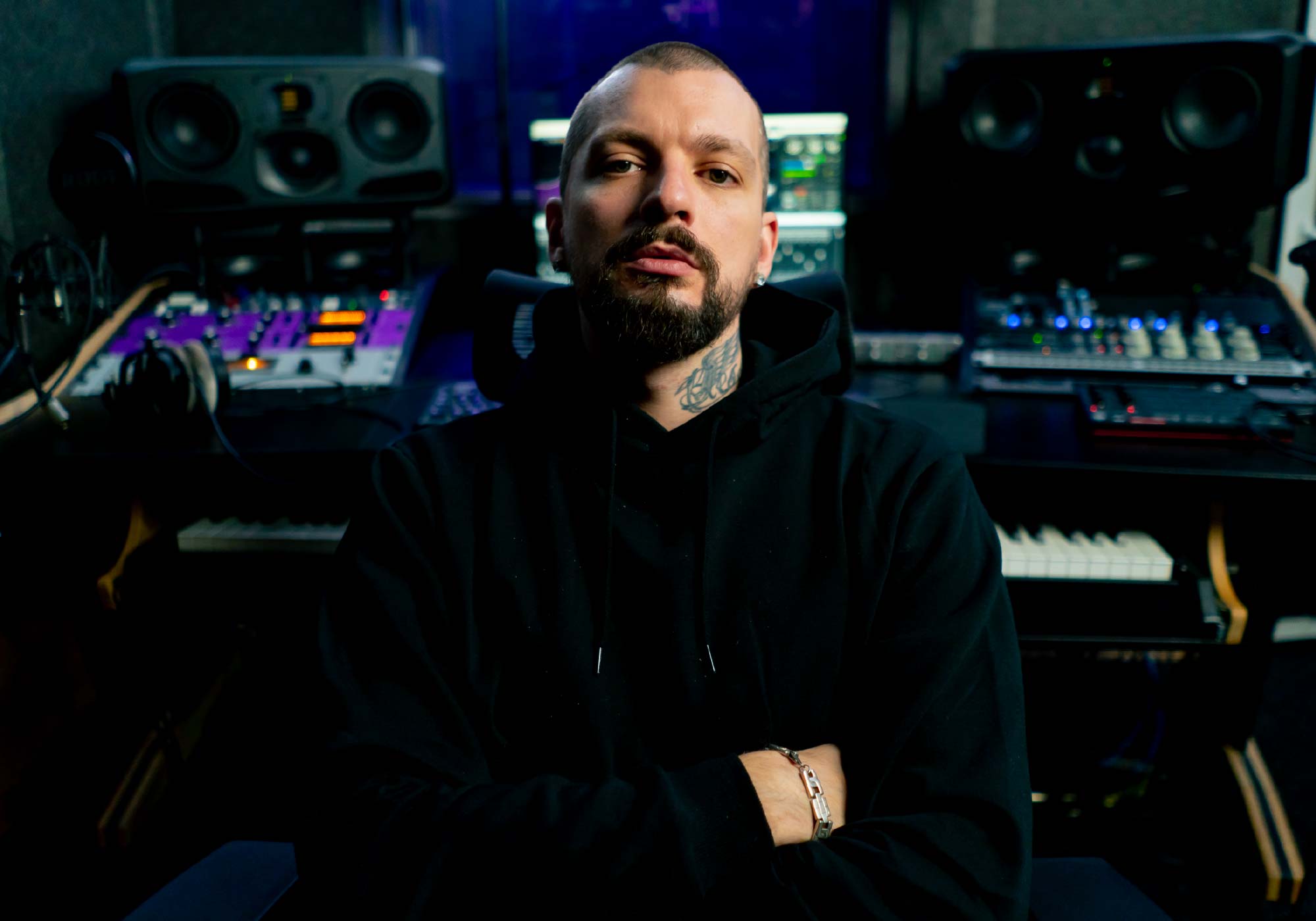
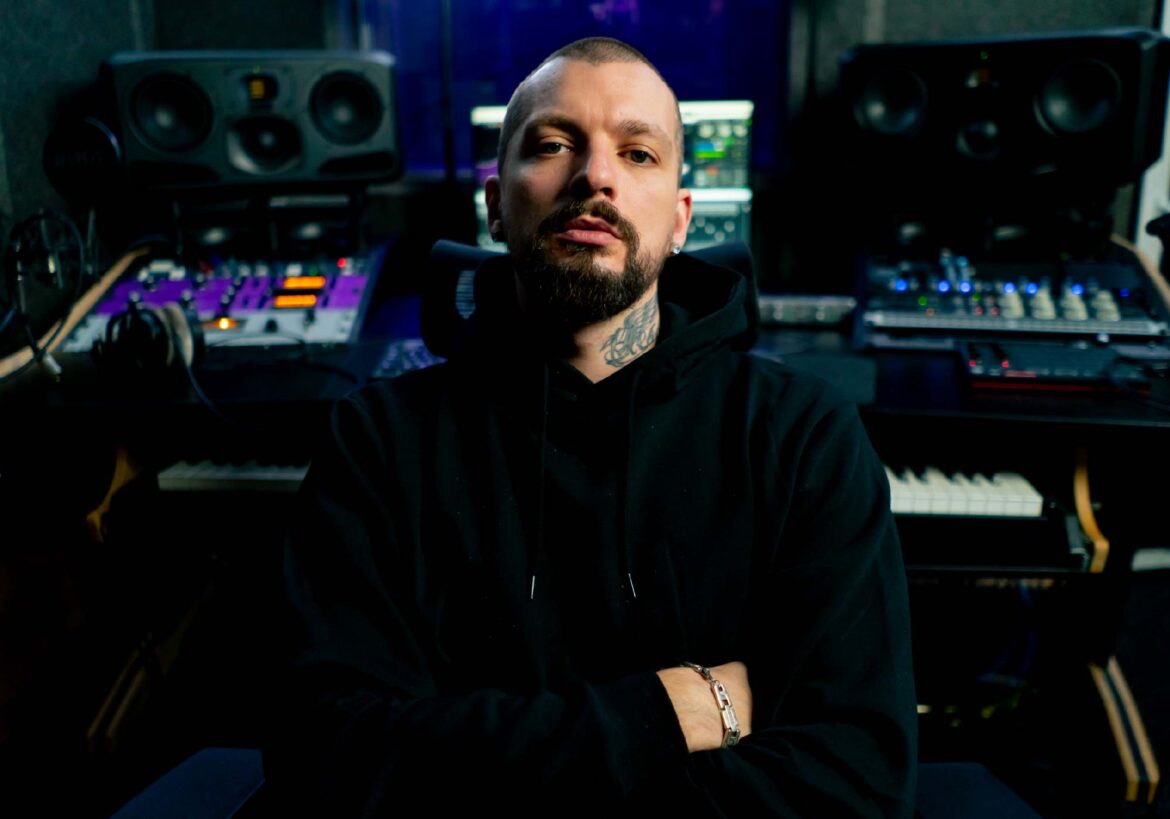
You can record an album in your bedroom, distribute it around the world and promote it from your phone. Twenty-five years ago, that would’ve sounded like a revolution. Today, it’s Tuesday. So why does breaking through still feel almost impossible?
There has probably never been a better time in history to be an independent musician.
There has also probably never been a more frustrating time to be one.
Both things can be true.
An artist today can make a professional-sounding record without a major studio.
You can distribute that record worldwide without a record label.
You can shoot the video on your phone.
Design the cover on your laptop.
Promote it on Instagram, TikTok and YouTube.
Sell merchandise directly to your fans.
Build an email list.
Book your own shows.
Start your own label.
Technically, you can run an entire music company from a bedroom with a laptop and decent Wi-Fi.
Twenty-five years ago, artists would’ve killed for that kind of control.
So what’s the problem?
Everybody else can do it too.
The Gatekeepers Didn’t Disappear
They changed.
There was a time when getting music released was genuinely difficult.
You needed somebody to let you in.
Record labels controlled recording budgets.
Distributors controlled access to stores.
Radio programmers controlled airplay.
Magazine editors controlled coverage.
Retail buyers decided whether your record even got shelf space.
You could make the greatest song in your hometown and still have almost no practical way of getting it heard outside your hometown.
The internet blew that system apart.
Good.
But we sometimes tell the story as though the gatekeepers disappeared completely.
They didn’t.
Some of them were replaced by algorithms.
Today you don’t necessarily need a record executive to approve your song.
You need somebody to stop scrolling.
And sometimes that might be harder.
Welcome to 106,000 Songs a Day
According to Luminate, an average of roughly 106,000 new tracks were delivered to digital music services every single day in 2025.
Every.
Single.
Day.
That’s more than 38 million tracks in a year.
And here’s the number independent artists should really pay attention to:
88% of tracks received 1,000 streams or fewer.
Let that sink in.
Getting music onto Spotify isn’t the accomplishment anymore.
Getting someone to listen to it is.
Distribution used to be the bottleneck.
Now it’s attention.
Releasing Music Has Never Been Easier
That’s worth celebrating.
You don’t need somebody in a suit sitting behind a desk deciding whether you’re marketable.
You don’t need $100,000 to make an album.
You don’t need a truck delivering boxes of CDs across the country.
You don’t even need to convince a store to carry your record.
Upload it.
Pick a release date.
Done.
Your music can potentially reach somebody in London, Kingston, Tokyo, São Paulo or San Diego the same day.
That’s incredible.
But there’s a difference between available everywhere and heard anywhere.
Independent artists learn that lesson pretty quickly.
You spend three months making a record.
Two weeks getting the artwork right.
Another week uploading everything.
Release day finally arrives.
You post:
“OUT NOW ON ALL PLATFORMS!”
Then you stare at your phone.
Mom liked the post.
Your cousin dropped three fire emojis.
And Spotify says you have 14 streams.
Welcome to the music business.
Now You’re Also a Content Creator
This may be the strangest part of being an artist today.
Making music isn’t enough.
Apparently, you’re also supposed to be a filmmaker.
Photographer.
Graphic designer.
Social media manager.
Copywriter.
Marketing strategist.
Playlist promoter.
Brand manager.
Video editor.
And part-time comedian.
You made a song?
Great.
Where’s the behind-the-scenes video?
Where’s the teaser?
Where’s the vertical version?
Did you make a visualizer?
What about a lyric video?
Did you film the studio session?
Can you turn the chorus into a 15-second clip?
Have you started a TikTok challenge?
Did you tell everybody the deeply emotional story behind why you wrote it?
Maybe you wrote it because the bassline sounded good.
Apparently that’s not enough anymore.
Somewhere along the way, musicians were handed an entire marketing department’s job description and told:
Good luck.
Streaming Isn’t the Villain — But It Isn’t a Magic Wand Either
Streaming gets blamed for almost everything wrong with modern music.
Some of that criticism is deserved.
But the picture is more complicated than “Spotify doesn’t pay artists.”
Spotify says it paid more than $11 billion to the music industry in 2025, and roughly half of the royalties generated on the platform came from independent artists and labels.
More than a third of artists generating at least $10,000 in Spotify royalties were DIY artists or had started their careers independently.
That’s significant.
Independent artists really are building careers without following the traditional major-label route.
But here’s the part that gets lost when people throw around giant industry numbers:
Spotify doesn’t hand that $11 billion directly to artists.
Money goes to rights holders, which can include labels, distributors, publishers and collection organizations, depending on the rights involved and the artist’s agreements.
And Spotify doesn’t pay a fixed amount every time somebody presses play.
Royalties are based on an artist’s share of overall streams.
So when someone tells you Spotify pays exactly X cents per stream, take a breath.
It’s more complicated than that.
What isn’t complicated is this:
If nobody listens, there’s nothing meaningful to divide.
Stop Chasing 100,000 People Who Don’t Care
This might be the biggest mistake emerging artists make.
Everybody wants numbers.
100,000 followers.
A million streams.
A viral video.
A giant playlist.
Those things are great.
But 100 people who genuinely care about your music may be worth more at the beginning of your career than 100,000 people who watched seven seconds of your Reel because the algorithm put it in front of them.
A real fan comes back.
A real fan saves the song.
A real fan tells somebody else.
A real fan buys the shirt.
A real fan comes to the show.
A real fan notices when you release another record six months later.
That’s a foundation.
Virality can be gasoline.
But you still need something to pour it on.
You Don’t Need to Look Famous
Independent artists waste an incredible amount of energy trying to make themselves look bigger than they are.
Stop.
There’s nothing embarrassing about being early.
There’s nothing wrong with playing to 40 people.
There’s nothing wrong with having 600 followers.
There’s nothing wrong with releasing your first record and having almost nobody hear it.
Every artist you’ve ever loved had a moment when almost nobody knew who they were.
The goal isn’t to convince strangers you’re already famous.
The goal is to give them a reason to remember your name.
Make the records better.
Develop a sound.
Develop an identity.
Play somewhere.
Meet people.
Collaborate.
Support other artists.
Answer the person who actually took the time to message you.
Build something.
Then build it again.
That’s not glamorous.
It’s also how careers happen.
Independent Doesn’t Mean Alone
This one matters.
The mythology of the independent artist sometimes makes it sound like you’re supposed to do absolutely everything yourself.
You don’t.
Independence means control.
It doesn’t mean isolation.
Find a producer who’s better at something than you are.
Work with another artist.
Know DJs.
Know photographers.
Know engineers.
Know promoters.
Know people running small venues.
Know music writers.
Know independent radio.
Know somebody who genuinely likes your music and tells other people about it.
The music business has always run on relationships.
Technology didn’t change that.
If anything, when everybody has access to the same distribution platforms and promotional tools, genuine relationships become even more valuable.
There’s Actually Good News Here
For all the difficulty, independent music is not dying.
Far from it.
Independent artists and labels now account for a massive share of the money generated on streaming platforms.
Artists are building substantial careers without becoming household names.
Music crosses borders almost instantly.
A song recorded in somebody’s bedroom can genuinely find an audience halfway around the world.
The opportunity is real.
What’s disappeared is the illusion that access automatically creates success.
It doesn’t.
Access gives you a ticket into the building.
You still have to make somebody turn around when the music starts.
Maybe Discovery Is the New Music Business
When there were fewer records, finding music wasn’t the problem.
Getting music distributed was.
Now we have the opposite problem.
There is more music available than any human being could possibly listen to.
Millions of artists are competing for the same finite resource:
your attention.
That’s why playlists matter.
DJs matter.
Music communities matter.
Friends recommending records matter.
Independent radio matters.
And yes, algorithms matter.
Because the next great independent artist probably doesn’t need somebody to manufacture them.
They need somebody to find them.
Somebody willing to listen past the numbers.
Past the follower count.
Past whether the artist already looks successful.
And say:
“Hold up. Play that again.”
Getting your music released has never been easier.
Getting anybody to care that you released it may have never been harder.
But maybe that’s not a reason to quit.
Maybe it’s a reason to stop trying to reach everybody.
Find the first ten people.
Then fifty.
Then a hundred.
Give them something worth coming back for.
The rest can grow from there.
Because independent artists have more tools, more access and more control than any generation before them.
The opportunity is absolutely there.
You just have to get somebody to press play.
HOT NOW
Chart
-

1
play_arrowMegaphone
-

2
play_arrowGrounded
-

3
play_arrowMoney
-

4
play_arrowSpitting Image
-

5
play_arrowRise Again
-