-
 play_arrow
OTR Radio Discover What's Next
-
 play_arrow
Beat Breakdown Mia Johnson

When Did Finding New Music Become So Damn Hard?
We have access to almost every song we could ever want to hear. Somehow, we keep hearing the same ones.
There has never been more music available to us.
Ever.
Think about what that means.
You can pull a phone out of your pocket and listen to a reggae record from Kingston released in 1978.
Then jump to a brand-new producer from Berlin.
Then a jazz record from 1959.
Then some kid making drum & bass in his bedroom in Manchester who uploaded his first single yesterday.
All before the traffic light turns green.
For most of music history, that would’ve been unimaginable.
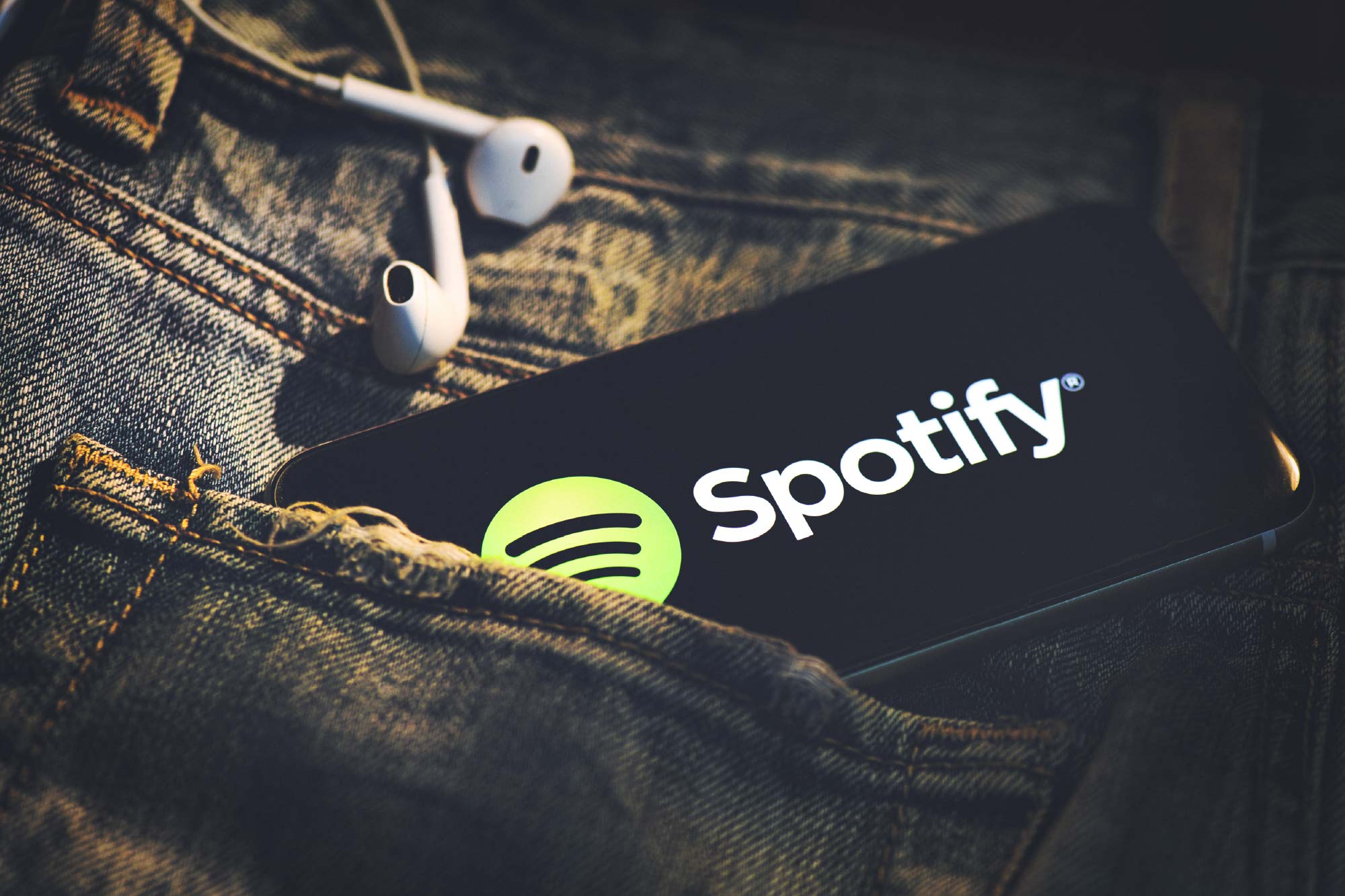
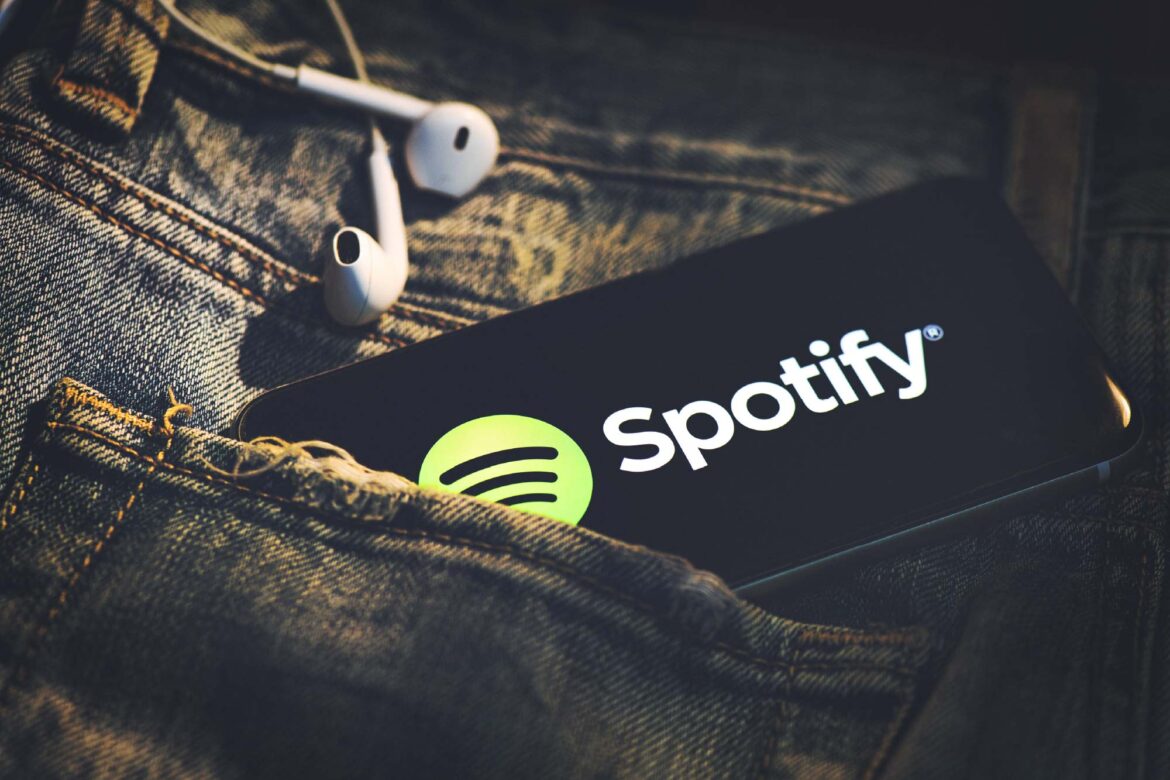
We have Spotify.
Apple Music.
YouTube.
SoundCloud.
TikTok.
Internet radio.
Satellite radio.
Millions of playlists.
Algorithms that know what we like.
Algorithms that probably know what we’re going to like before we do.
We have access to more music than any generation of human beings that has ever lived.
And yet people constantly say:
“There’s no good new music anymore.”
Really?
None?
Or maybe we just aren’t finding it.
Access Isn’t Discovery
This is where things get interesting.
Having access to music and discovering music aren’t the same thing.
Walk into the world’s largest library.
Every book you could possibly want is inside.
Great.
Now what are you reading?
That’s the problem.
The music industry spent decades solving access.
Records became CDs.
CDs became downloads.
Downloads became streaming.
Streaming basically put the history of recorded music into our pockets.
Mission accomplished.
Then we discovered the next problem.
There’s too much of it.
When you can listen to practically anything, somebody—or something—has to help you decide what to play.
Enter the algorithm.
Algorithms Are Actually Pretty Damn Good
Let’s give credit where it’s due.
Music recommendation technology is incredible.
Spotify’s Discover Weekly alone now generates tens of millions of new artist discoveries every week, and the majority of those discoveries involve emerging artists.
Release Radar introduces listeners to new releases.
Apple Music recommends music based on listening habits.
YouTube figures out what you’re likely to watch next.
TikTok can turn a song nobody knew existed on Monday into something millions of people recognize by Friday.
This stuff works.
Sometimes frighteningly well.
You listen to three songs and suddenly the platform seems to say:
“Ohhhh. I see what you’re doing. Try this.”
And it’s right.
That’s useful.
But there’s a weird little downside.
Sometimes We Don’t Know What We Want
Algorithms learn from us.
That’s the entire point.
What did you play?
What did you skip?
What did you save?
What did you repeat?
Which artists do you follow?
What genres do you spend time with?
All that information helps build recommendations specifically for you.
Fantastic.
But what happens when the best song you’ve never heard doesn’t resemble anything you’ve already told the algorithm you like?
That’s where human discovery gets interesting.
A person can look at you and say:
“I know this isn’t normally your thing. Just listen.”
And sometimes…
Damn.
Now you’ve got a new favorite artist.
That’s harder to quantify.
There wasn’t necessarily a behavioral signal suggesting you needed that record.
Someone just knew the music.
And knew you.
Remember When Somebody Put You Onto a Record?
Everybody who genuinely loves music has had this happen.
A friend hands you an album.
A DJ plays something you’ve never heard.
Somebody at work says:
“Man, you HAVE to hear this.”
Your older brother has music you’re technically not supposed to touch.
Your cousin makes you a mixtape.
You’re in somebody’s car and a song comes on.
You walk into a record store and the person behind the counter is playing something ridiculous.
You hear a DJ at 1:00 in the morning and suddenly you’re trying to remember three words from the chorus so you can find the damn song tomorrow.
That was discovery.
Messy.
Random.
Human.
And occasionally magical.
The person introducing you to the music wasn’t necessarily studying your listening history.
Sometimes they were simply saying:
“Trust me.”
The DJ Used to Matter Differently
Radio DJs once had enormous influence over what people discovered.
That system certainly wasn’t perfect.
Commercial radio became heavily programmed.
Labels fought for airplay.
Playlists tightened.
Corporate ownership changed local radio.
And plenty of great records never got anywhere near an antenna.
We’re not romanticizing everything about the old system.
But the basic idea of a trusted person introducing listeners to music was powerful.
You learned the DJ.
You learned the show.
Eventually you understood their taste.
Maybe you didn’t like everything they played.
That was part of it.
Because occasionally they’d play something you never would’ve chosen yourself.
And that’s the difference.
We Skip Too Damn Fast
Streaming didn’t just change what we hear.
It changed how we listen.
Don’t like the intro?
Skip.
Not feeling the vocal?
Skip.
Song taking too long to get going?
Skip.
Next.
Next.
Next.
There is no penalty.
Another song is sitting there waiting.
Then another.
Then another.
Infinite choice sounds wonderful until you realize infinite choice also means nothing has to earn a second chance.
Some of the greatest records you’ve ever loved probably didn’t grab you in eight seconds.
Some albums took three listens.
Some artists had to grow on you.
Some songs didn’t make sense until you heard them at the right time in your life.
Today?
You have about enough time to annoy somebody before their thumb moves.
That’s a tough environment for discovery.
Social Media Changed the Song Too
TikTok, Reels and YouTube Shorts have become major music-discovery engines.
That’s not necessarily bad.
People are discovering records there every day.
Artists who would’ve struggled to get traditional radio attention can suddenly reach millions of people.
That’s incredible.
But short-form video introduces another strange dynamic.
Sometimes we’re discovering moments instead of songs.
Fifteen seconds of a chorus.
A beat drop.
A lyric.
A dance.
A meme.
You know that part.
Then you finally hear the entire record and think:
“Oh. There’s another two minutes?”
That’s not TikTok’s fault.
It’s simply a different way of encountering music.
And artists understandably respond to the environment they’re releasing into.
If attention is scarce, get to the hook.
Quickly.
Meanwhile, Great Music Is Sitting Somewhere With 312 Plays
This is the part that bothers us.
Somewhere right now, somebody has made an incredible record.
Almost nobody knows it exists.
Maybe the artist doesn’t understand social media.
Maybe they don’t have money for promotion.
Maybe they don’t have the right look.
Maybe their first eight seconds aren’t TikTok-friendly.
Maybe they have 400 followers.
Maybe the algorithm simply hasn’t found the right audience yet.
The song doesn’t become less good because nobody has heard it.
Popularity and quality have never been the same thing.
Sometimes they meet.
Sometimes they don’t even have each other’s phone number.
Human Curation Isn’t Dead
Here’s the funny part.
Even the biggest technology platforms still use people.
Spotify has editorial teams curating playlists alongside its personalized recommendation systems.
Its Fresh Finds program specifically focuses on emerging independent artists.
New Music Friday combines platform reach with human editorial judgment.
Why?
Because data and taste aren’t enemies.
They’re different tools.
An algorithm can analyze millions of listening behaviors.
A human curator can hear something and say:
“There’s something here.”
You probably want both.
Maybe We Need a Little Less Perfect
Personalization is designed to make your listening experience more relevant.
But discovery sometimes requires something irrelevant.
Something outside the box.
Something that makes absolutely no sense next to the last song.
You were listening to hip-hop.
Now somebody plays Afrobeat.
Then drum & bass.
Then an indie singer-songwriter.
Then some weird funk record from 1974.
Would an algorithm build that playlist?
Maybe.
Would a great DJ?
Absolutely.
Because a DJ might hear a connection that isn’t sitting neatly inside a genre tag.
Energy.
Rhythm.
Mood.
Attitude.
A bassline.
A feeling.
That’s curation.
The Future Probably Isn’t Human Versus Algorithm
We’ve had enough of those arguments.
Human versus AI.
Streaming versus radio.
Digital versus physical.
Algorithms versus DJs.
It doesn’t have to be one or the other.
Let algorithms do what they’re brilliant at.
Give us personalized recommendations.
Find patterns.
Surface artists we’d probably enjoy.
Help us navigate millions of records.
That’s incredibly valuable.
But leave some room for people.
DJs.
Curators.
Music writers.
Record collectors.
Friends.
Independent radio.
That person who hears something nobody else is paying attention to yet and decides:
“People need to hear this.”
Because discovery shouldn’t always be predictable.
Somebody Still Has to Listen
That’s ultimately the problem OTR finds interesting.
We’re approaching a world where there may effectively be unlimited music.
Millions of releases.
Independent artists.
Major-label artists.
Bedroom producers.
Bands.
DJs.
AI-assisted music.
Music made entirely without AI.
Old records finding new audiences.
New records disappearing before anyone notices.
The bottleneck isn’t access anymore.
It’s attention.
Which means somebody still has to dig.
Somebody still has to listen.
Somebody still has to decide that a record with 700 streams deserves to sit next to one with 70 million.
Not because the numbers say so.
Because the music does.
Maybe the future of music discovery isn’t choosing between algorithms and people.
Maybe we need both.
Let the algorithm find what you’re likely to enjoy.
Let somebody with taste occasionally play you something you weren’t looking for.
Because sometimes the best new song isn’t the one that sounds like the last five songs you liked.
It’s the one that comes completely out of nowhere.
The one that makes you stop whatever you’re doing.
Turn it up.
Look at the screen.
And ask:
“Who the hell is THIS?”
Similar posts
HOT NOW
Chart
-

1
play_arrowMegaphone
-

2
play_arrowGrounded
-

3
play_arrowMoney
-

4
play_arrowSpitting Image
-

5
play_arrowRise Again
-